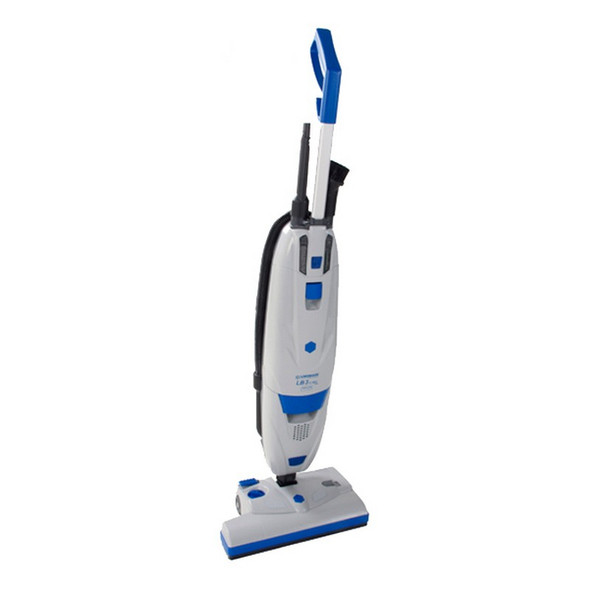
BATTERY VERSION Mini Multifunction Vacuum Sweeper "twin force" for hard floors and carpets
STRENGTHS
Ideal for mixed applications: hard floors / carpeted floorsPatented mechanical sweeping system...
IDEAL FOR EVERY ENVIRONMENT!
Battery broom / multifunction carpet cleaner
STRENGTHS
Ideal for mixed environments: carpet - floor
Light, quiet and very easy to handle
Patented universal brush for...
Wide area upright vacuum cleaner!
STRENGTHS
> Design, technology and construction 100% made in Italy> Use with battery and cord for non stop working> High efficiency motors for the longest...
STRENGTHS
Design, technology and construction 100% made in Italy
Can be used with battery or current inverter
High efficiency Rotafil brushless suction motors
2 self-cooling Rotafil gearmotors
Easy...
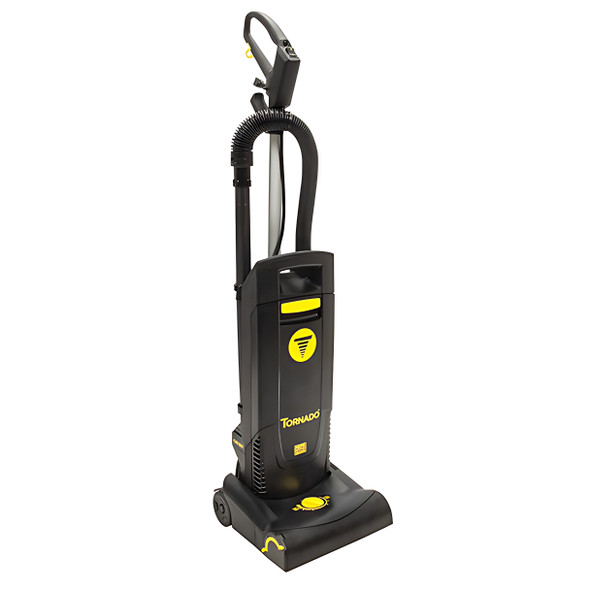
Tornado CVD 38 DUAL 15” Deluxe Commercial Upright Vacuum
The Tornado CVD 38 DUAL is a powerful, dual-motor commercial upright vacuum engineered for maximum productivity and convenience. With a wide...
When you need cleaning power that can stand up to relentless daily use, commercial upright vacuum cleaners are the top choice. Designed for durability, superior suction, and efficient performance, these machines are essential for offices, schools, hospitals, retail spaces, and any environment where cleanliness is judged in more than a few square feet.
Whether you're looking for a commercial upright vacuum, upright vacuum commercial model, or simply the best commercial upright vacuum, you've come to the right place.
What Makes a Great Commercial Upright Vacuum
For high-traffic, demanding environments, not just any upright vacuum will do. A quality commercial upright vacuum must combine several features to deliver reliable, long-term performance:
Durability & Build Quality: Reinforced frames, steel or sturdy plastic housings, rugged brush rolls, high-grade belts, and components designed to survive heavy daily wear.
Power & Suction: Strong motors with high airflow (CFM), high water lift, dual-motor systems (one for brush roll, one for suction) in some models to handle carpeted surfaces, deep piles, dirt, and debris.
Wide Cleaning Path: Larger heads (12-16 inches or more) to cover more area quickly, increasing productivity.
Filtration & Dust Containment: Bagged designs or high-capacity dust cups, HEPA or high-efficiency filters, and good seals trap fine particles and allergens and help maintain indoor air quality.
User Ergonomics: Comfortable handles, manageable weight, swivel or low-profile design for cleaning under furniture, long cords or battery packs where applicable to reduce downtime.
Maintenance & Cost of Ownership: Easy access to change filters, bags, belts; availability of parts; low noise levels; energy efficiency; CRI (Carpet & Rug Institute) certification when needed.
Why Go Upright for Commercial Use
Upright vacuum commercial models are built to help clean carpets, rugs, and high-pile floorings better than many other styles. The powered brush roll (or beater bar) agitates carpet fibers to lift embedded dirt.
They are efficient for large areas: wide heads plus high airflow can make a significant difference in time and labor.
Bagged uprights help maintain consistent performance as dust accumulates, compared to some bagless models.
Uprights often offer more convenience in commercial applications where carpets are a priority and multi-service cleaning is often divided into different tasks.
Top Rated & Best Commercial Upright Vacuum Models
When selecting the best commercial upright vacuum, it's important to look for models that combine cleaning power, durability, and cost efficiency. The top rated commercial upright vacuums often share a few standout features:
Dual-Motor Technology – One motor powers the suction, while another drives the brush roll. This ensures deeper carpet cleaning and more consistent results in high-traffic environments.
Industry Certifications – Look for CRI (Carpet and Rug Institute) Gold or Silver ratings, which guarantee strong cleaning performance and carpet care.
High-Performance Specs – Machines with strong wattage, high CFM airflow, and excellent water lift capability deliver better dirt and debris removal.
Multi-Surface Adaptability – The best vacuums can seamlessly transition from carpet to hard floors, offer effective edge cleaning, and include practical tools or attachments for detailed work.
Easy Maintenance – Top-rated models are designed with user-friendly maintenance in mind, featuring quick-access brush rolls, simple bag changes, and long-lasting belts to reduce downtime.
Compare Commercial Upright vs Other Commercial Vacuums
Feature
Commercial Upright Vacuum
Backpack Vacuums / Canister
Best for carpeted, large open floor areas
✅
May be better for stairs , Tight Spaces
Wide Cleaning Paths
✅
Often narrower heads but more flexible hose tools
Heavier / more difficult to lift or carry
⚠️
Usually more ergonomic in carry mode
Strong brush roll cleaning
✅
Some models might lack power brush or be less aggressive
Large dust capacity and containment
✅
Varies by style
So, if your application demands cleaning large carpeted or rug-covered areas with high foot traffic and frequent cleaning intervals, upright commercial vacuum models are typically the best investment.
Features to Look For – Buying Guide for Commercial Uprights
When you're selecting the commercial upright vacuum cleaners, keep these on your checklist:
1. Motor Configuration
Single motor (simpler, lower cost, but possibly less effective on thick carpets)
Dual motor (one motor dedicated to the brush roll + another for suction)
2. Cleaning Path / Width of Head
Wider heads (e.g., 15-16") for covering more ground. Narrow heads if you need to clean tight corners.
3. Height Adjustment or Automatic Floor Detection
Adjustable height or automatic detectors to switch between carpet and hard floor without damaging surfaces.
On-board tools like crevice tools and upholstery brushes help clean beyond the floor.
6. Noise Level & Ergonomics
Some upright vacuums are loud. If cleaning while people are working/visiting, quieter models help.
Comfortable handle, easy to tilt, swivel heads for ease of pushing.
7. Total Cost of Ownership
Replacement parts cost (belts, bags, filters).
Energy consumption.
Durability: serviceability, warranty, and build materials.
Best Practices for Commercial Upright Vacuum Usage & Maintenance
To ensure your commercial upright vacuum gives you years of performance:
Empty bags/dust bins frequently to avoid airflow loss.
Clean or replace filters according to manufacturer guidelines.
Inspect belts, brush rolls regularly, and remove hair/debris that can cause jams.
Store properly coiled cords, protect against moisture, and avoid banging or dropping.
Using a vacuum that is inappropriate for the floor type, with the wrong settings or brush heights, can damage carpets or flooring.
FAQs
1: What's the difference between a commercial upright vacuum and a residential upright? Commercial models are built for heavier use: stronger motors, more durable components, larger dust capacity, easier maintenance, and often higher cost. They are designed for many hours of operation per day, whereas residential models may only be used occasionally.
2: Do all commercial upright vacuums have bags? No. Some are bagged, some bagless. Bagged vacuums tend to maintain consistent suction as the bag fills, better for dust containment and filters. Bagless offers lower ongoing cost but may require more frequent cleaning of filters and dust containers.
3: How important is certification (like CRI)? Very important in some commercial environments (offices, hotels, hospitals) where carpet appearance, indoor air quality, and environmental / health standards matter. A CRI rating ensures tested performance.
4: Are dual-motor models worth the extra cost? Yes, if your facility has carpeted areas or demands deeper cleaning. A brush motor helps agitate carpets separately from the suction motor, giving better results. For mostly hard floors, you might not need the dual motor.
5: What about noise? If cleaning during business hours or near occupied spaces, look for models rated for “quiet operation” or “QuietClean” etc. Models that operate at lower decibels help reduce disruption.